









True design longevity is rarely about the grand gesture. Instead, it lives in the details that ask you to slow down, details that transform a routine architectural transition into an experience. When Valerie and Jose first set foot inside their 1926 Tudor home, they recognized a structure rich with history, patience, and craftsmanship. Through their platform, The Grounded Home, they have cataloged the thoughtful process of bringing this historic estate back to life. In their latest undertaking, a meticulous closet renovation, a singular choice of transitional-style door hardware completely redefined the trajectory of the entire space.

The Subtle Shift in Design Direction
Great home design is an evolving conversation between the structure and the visionary. When Valerie set out to revitalize a critical storage space in her historic home, she initially envisioned a clean, practical update. However, the introduction of premium hardware immediately elevated the project from a simple organizational upgrade into a profound aesthetic focal point.
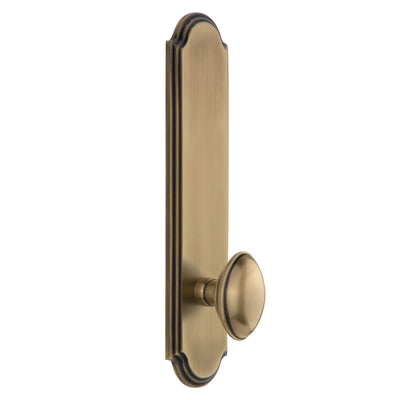
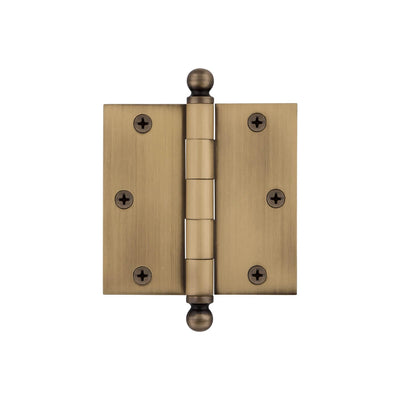
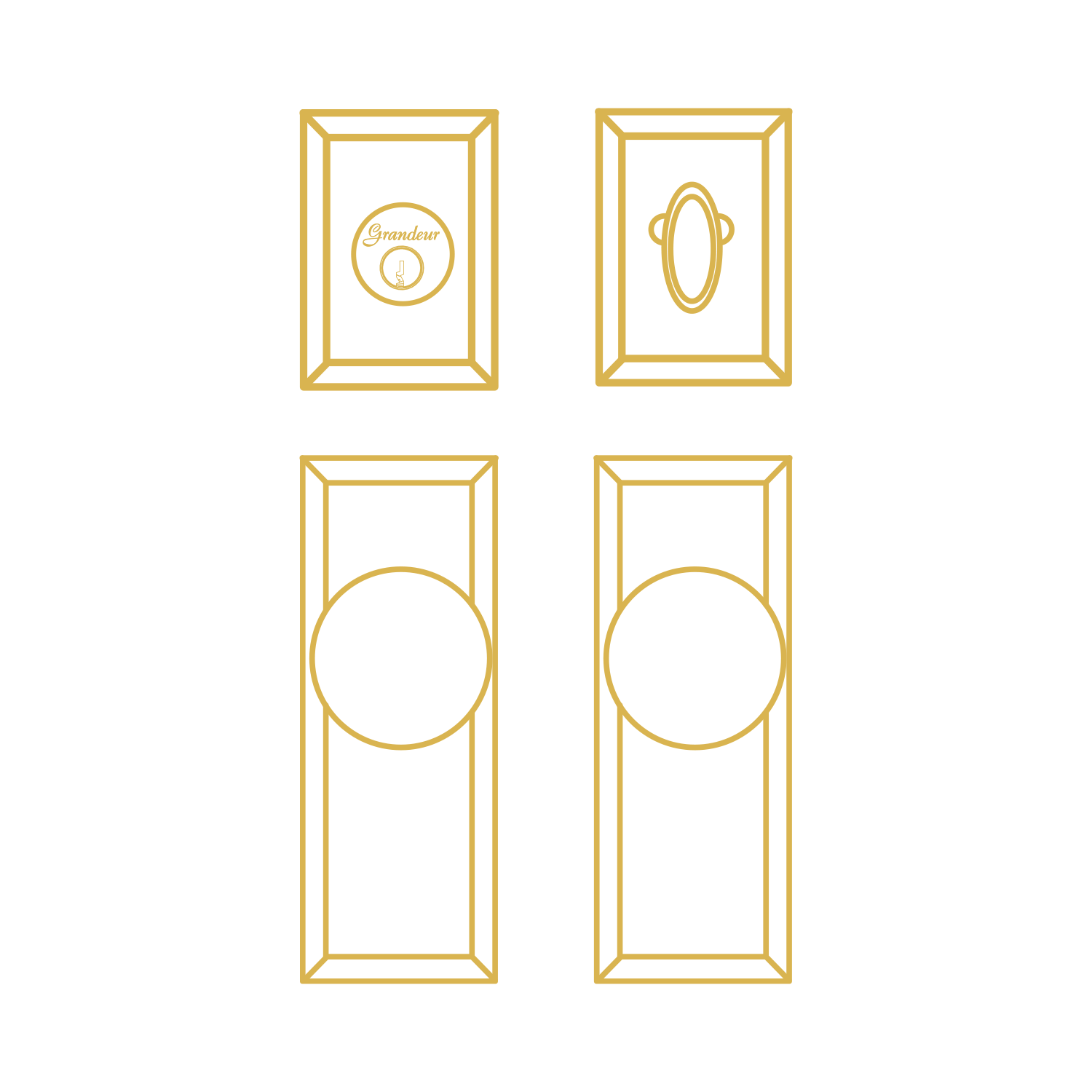
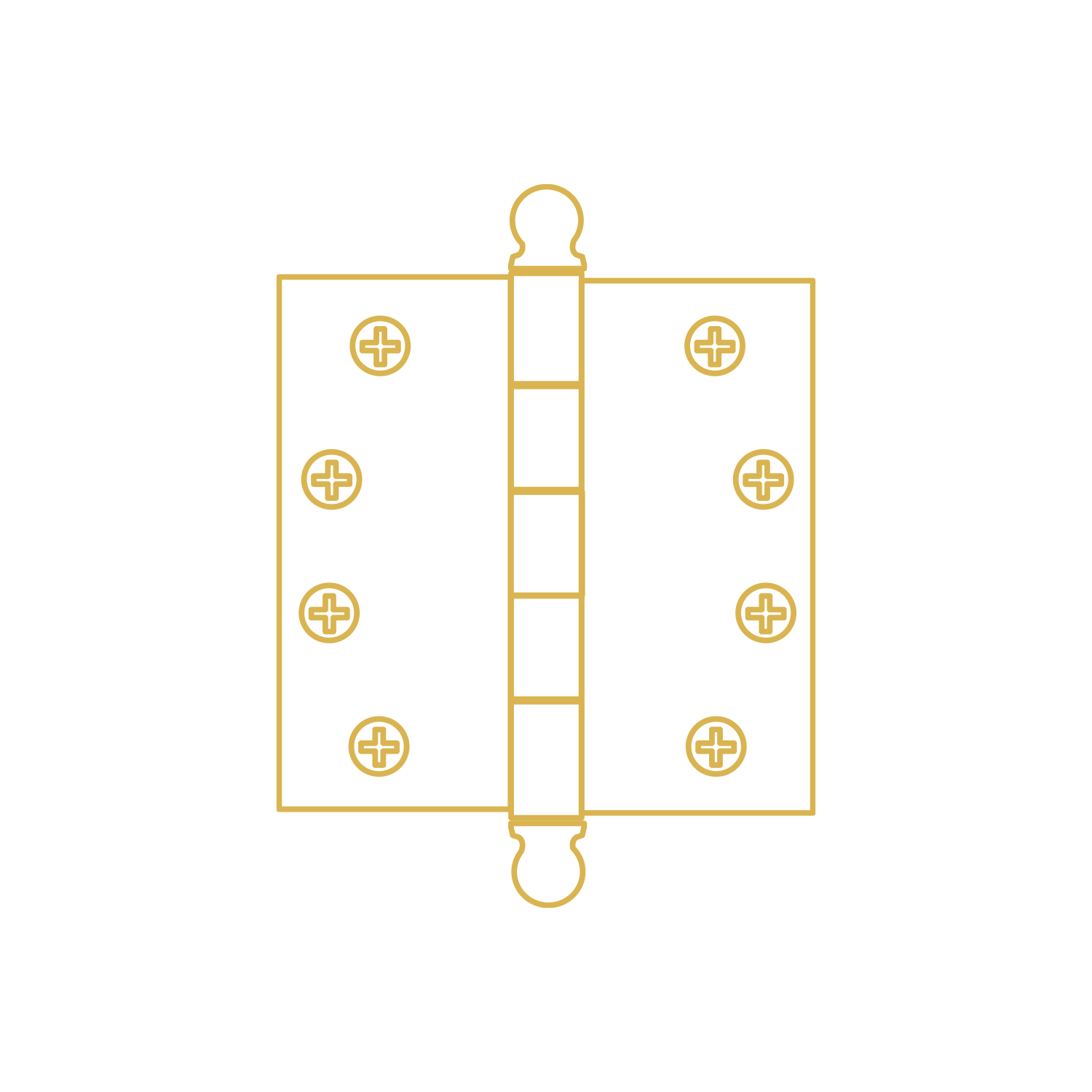
Opting for custom eight-foot doors meant the accompanying hardware needed to mirror that dramatic sense of scale. The moment Valerie introduced the Grandeur Hardware Arc Tall Plate paired with Eden Prairie Knob, the vision shifted. The sheer weight and architectural presence of solid forged brass anchored the tall doors, establishing an immediate sense of permanence and architectural continuity. By adding solid brass hingesas well, what began as a standard utilitarian closet quickly became a masterclass in transitional design, bridging the home's vintage foundation with clean, tailored elegance.
“Investing in door hardware can truly make or break the experience of entering a space. It has the power to create curiosity and elevate the entire design.” — Valerie Hernandez


The Tactile Weight of Real Craftsmanship
In an era dominated by fleeting design trends and hollow materials, the tactile reality of home fixtures is often overlooked. Valerie points out that the true reward of completing this home renovation lies in the daily physical interaction with the space. There is an undeniable sensory satisfaction in the smooth operation of a well-crafted doorknob. The weight of solid forged brass provides a reassuring friction, turning an ordinary morning routine into an intentional moment.
Compared with standard alternatives, premium brass hardware stands apart. For a 100-year-old home, material integrity is paramount. Valerie notes that she has yet to find a door handle that rivals the substantial substance of Grandeur. It is a material commitment that honors the historic masonry and original woodworking of the Tudor estate, proving that modern transitional hardware can successfully respect vintage roots without feeling trapped in the past.
Honoring the Narrative of an Older Home
Every historic home possesses a narrative written by the craftspeople who came before. For Valerie and Jose, their DIY journey began in a modest starter home where they first learned to balance spatial vision with hands-on skill. When they discovered their current property, the connection was instant. It was a home that demanded patience, restoration, and a profound appreciation for historic details.


Their philosophy centers on letting a home settle, observing how light moves through the rooms, and allowing design choices to mature over time. This patient approach directly informs Valerie’s rejection of impulsive, fast-paced styling in favor of deliberate curation. By treating hardware as a long-term architectural asset rather than a temporary accessory, the renovation adds a sophisticated new chapter to the building’s century-long story.
Valerie stresses that functionality must always serve as the foundation of any room layout. While it is easy to fall in love with a purely visual concept, balancing aesthetic desire with daily utility guarantees a space that is as comfortable to live in as it is beautiful to look at.
Advice for the Mindful Renovator
Reflecting on years of successful home transformations, Valerie shares two fundamental truths for anyone embarking on a design journey. First, she emphasizes the necessity of trusting your initial creative spark. Countless hours can be spent debating choices, yet the eye naturally returns to the very first object, color palette, or texture that ignited the project. Second, she cautions against treating scale as a limitation. A compact floor plan or a tight dressing room should never restrict your design ambition.
By implementing oversized custom doors and matching them with substantial tall plates, Valerie demonstrated that unexpected proportions can make a compact environment feel incredibly grand. Good design relies on scale, substance, and the courage to look at a familiar footprint in an entirely unconventional way.
Featured Products